

AI in Parenting: Redefining Childcare Through Innovation
 2.25.2025, 10:22:27 AM
 793
793

 2.25.2025, 10:22:27 AM
793
2.25.2025, 10:22:27 AM
793
As AI transforms industries worldwide, its impact on childcare is accelerating. From algorithm-driven health monitors to self-soothing smart cribs, AI-powered tools are reshaping modern parenting.
With products like DeepSeek gaining global traction, critical questions arise: Can AI address enduring parenting challenges? Is this sector poised to become the next tech investment hotspot?
This analysis examines key innovations, market strategies, and ethical considerations, providing actionable insights for businesses navigating the AI-driven childcare revolution.
From Smart Cribs to AI Tutors: Innovations in Childcare Tech
AI-driven parenting tools are gaining traction by addressing core parental needs: real-time health monitoring, safety assurance, and personalized learning. Below are notable examples redefining the sector:
1. Snoo Smart Sleeper (U.S.)
This award-winning crib integrates the 5 S’s soothing method (swaddle, Side-Stomach Position, Shush, Swing, and Suck) with AI sensors to detect infant fussiness, automatically adjusting motion and sound to promote sleep. Paired with a sleep-tracking app, it offers data-driven insights while prioritizing safety through minimalist, easy-to-clean designs.

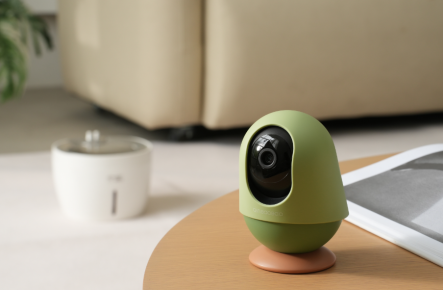
2. Qinbaobao AI Smart Baby Monitor (China)
This AI-powered device uses 3K resolution, 950nm night vision, and cry/action recognition to stream real-time alerts to parents’ phones. Features include sleep tracking, facial detection, virtual safety fences, auto-follow movement, and encrypted cloud storage.
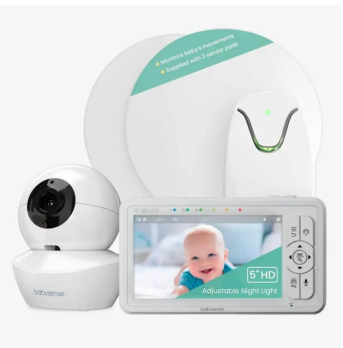
3. Babysense AI Sleep Monitor (Israel)
A non-touch baby Breathing Movement Monitor using highly sensitive sensors to track breathing and movement, this device alerts caregivers to respiratory cessation (apnea) via app. Its zero-radiation design and multi-device compatibility make it a trusted tool for preventing Sudden Infant Death Syndrome (SIDS).
4. Alpha Egg by iFlytek (China)
Combining AI with interactive learning, this voice-activated tutor personalizes educational content through quizzes and storytelling. Eye-protection modes and portability cater to children’s developmental needs, positioning it as a versatile learning companion.

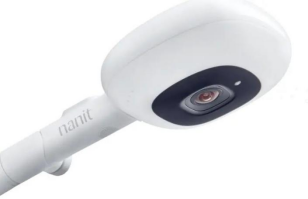
5. Nanit Pro Baby Monitor with Camera (U.S.)
A contactless sleep tracker using HD video to analyze sleep patterns, this monitor provides nightly reports on duration, wake-ups, and environmental conditions (temperature/humidity), alongside a smart nightlight and lullaby features.
6. Smart Nurseries in China
Multiple cities in China are piloting AI-powered daycare platforms that automate attendance tracking, health checks (e.g., fever alerts), and safety monitoring, enhancing operational efficiency while reducing risks.
The Ethics of AI Parenting: Balancing Tech and Human Bonds
While AI tools alleviate parental burdens, debates persist about their societal impact. Key considerations include:
Data Privacy: Sensitive biometric data (e.g., sleep patterns) requires robust encryption and strict compliance with regulations like GDPR.
Human-Centric Design: AI should augment—not replace—parental roles. For instance, emotion-recognition tools may soothe anxious children but cannot replicate human empathy.
Future Trends: Hyper-Personalization and Expanded Use Cases
As AI adoption accelerates, four key developments are shaping the childcare tech sector:
1. Tailored Guidance: AI-driven tools will increasingly customize learning content, health plans, and safety protocols based on individual child profiles.
2. Multi-Scenario Applications: Innovations may address challenges like picky eating (via AI nutritionists), social anxiety (virtual playmates), and hazard detection (fall prevention).
3. Emotional Intelligence: Advances in sentiment analysis could enable tools to adapt responses—such as music or games—to a child’s mood shifts.
4. Remote Parenting Solutions: Real-time dashboards and predictive analytics may empower caregivers to monitor children’s well-being remotely.
AI is undeniably transforming childcare, offering scalable solutions for parents and immense business opportunities.
However, success hinges on striking a delicate balance: innovating responsibly while preserving irreplaceable human connections. For brands, this means prioritizing ethical AI practices, user-centric designs, and transparent data policies.
The future of parenting isn’t about humans versus machines—it’s about harnessing technology to nurture happier, healthier generations.
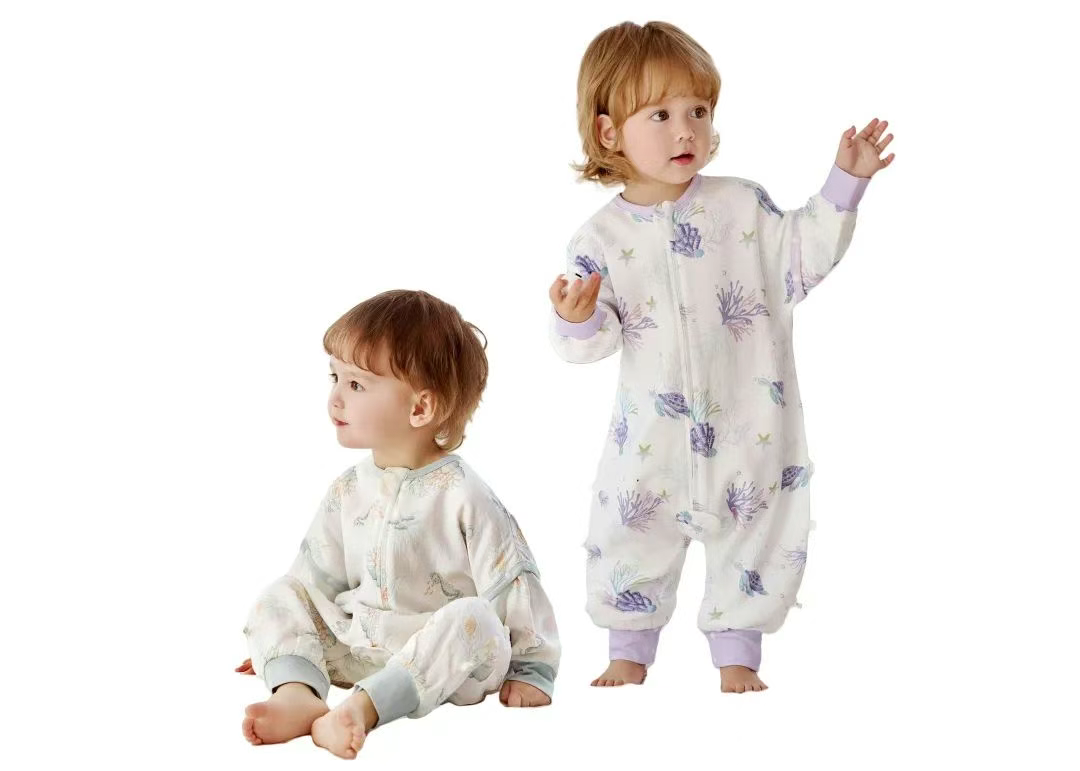
Get the First Look at Best-Selling Baby Products: A MUST-ATTEND Kids Fair for Buyers Worldwide!
China Kids Fair (CKE) has always been a vital bridge connecting brands and distributors, offering a key platform for channel partners to discover new products, gain insights into market trends, and expand business horizons. Every year, many high-quality juvenile brands showcase their innovative products.
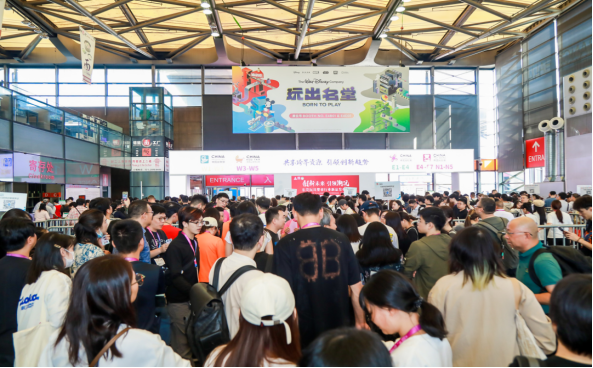
CTJPA's 2024 Exhibitions Conclude with Success: A Showcase of Industry Trends and Global Partnerships
On October 18, 2024, China Toy Expo, China Licensing Expo, China Kids Fair, and China Preschool Expo concluded successfully at the Shanghai New International Expo Centre (SNIEC). Organized by China Toy & Juvenile Products Association (CTJPA), the event brought together 2,506 exhibitors from 36 countries and regions worldwide, along with 20 major production hubs for toys and baby products. The exhibition showcased 5,218 brands and over 2,400 global licensed IPs across an area of 230,000 square meters. It attracted a total of 111,458 professional attendees, including 9,086 international buyers. With 262 splendid activities, cross-industry creativity flourished, fully demonstrating the latest industry developments and resources. The event received widespread recognition from exhibitors and attendees.
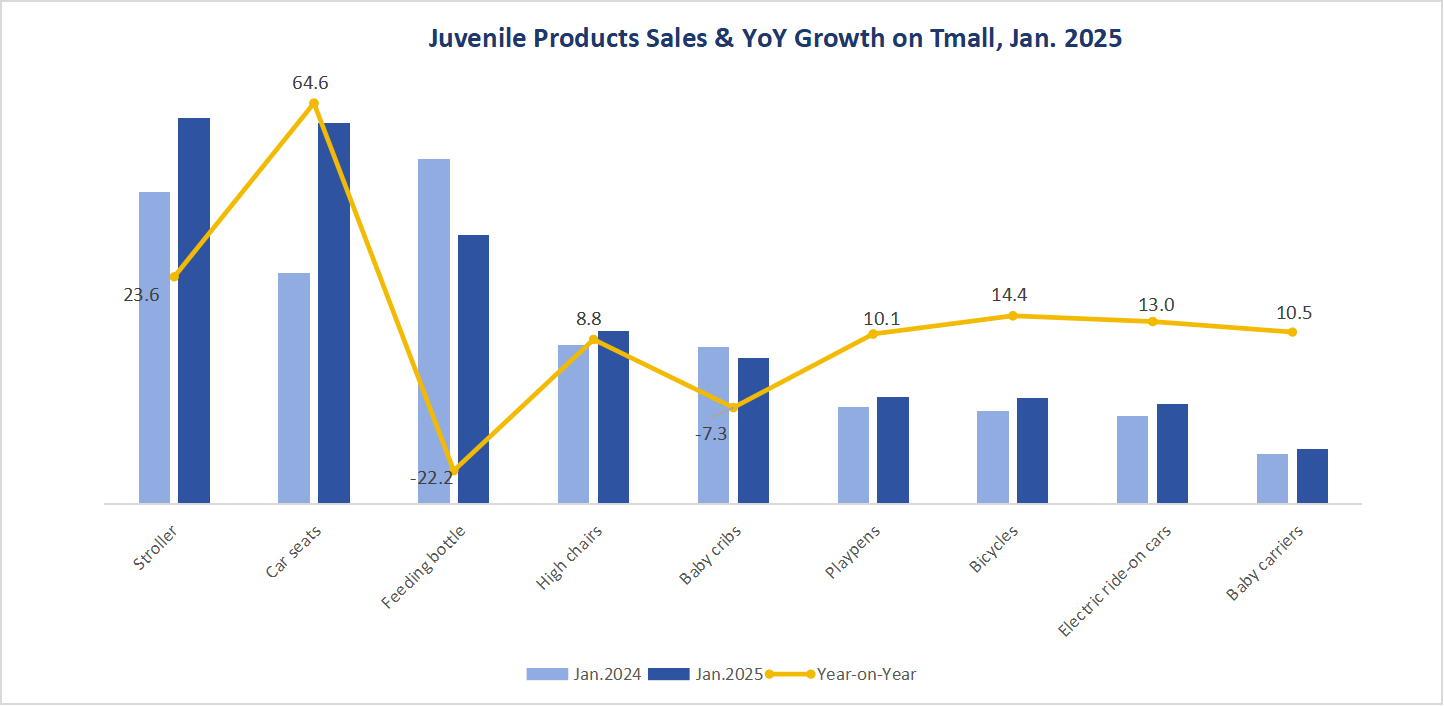
Children’s Car Seat Sales in China Surge 64.6% Amid Broader Juvenile Product Growth
Data from the China Toy & Juvenile Products Association (CTJPA) shows year-on-year growth in seven juvenile product categories on China’s E-commerce platform Tmall, including strollers, bicycles, electric ride-on cars, car seats, high chairs, playpens and baby carriers. The top three are car seats (+64.6%), strollers (+23.6%) and bicycles (+14.4%).
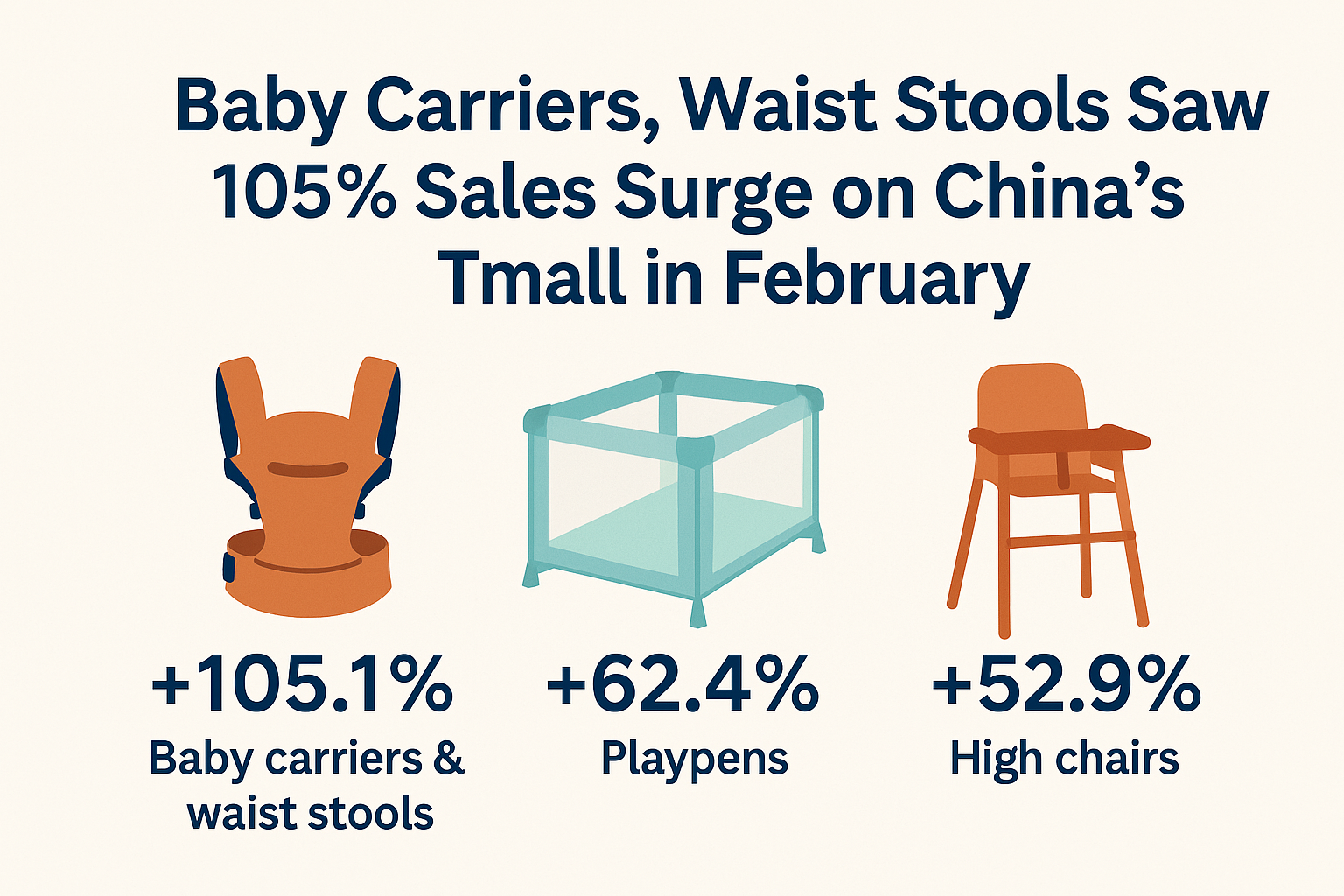
Baby Carriers, Waist Stools Saw 105% Sales Surge on China's Tmall in February
According to the sales data for baby and children's products on China's e-commerce platform Tmall in February, there was a year-on-year increase in sales across 9 major product categories: children's bicycles, electric ride-on cars, scooters, children's four-wheeled strollers, baby bottles, children's car seats, high chairs, playpens, and baby carriers/waist stools. The top 3 categories with the highest sales growth were baby carriers/waist stools (105.1%), playpens (62.4%), and high chairs (52.9%).
